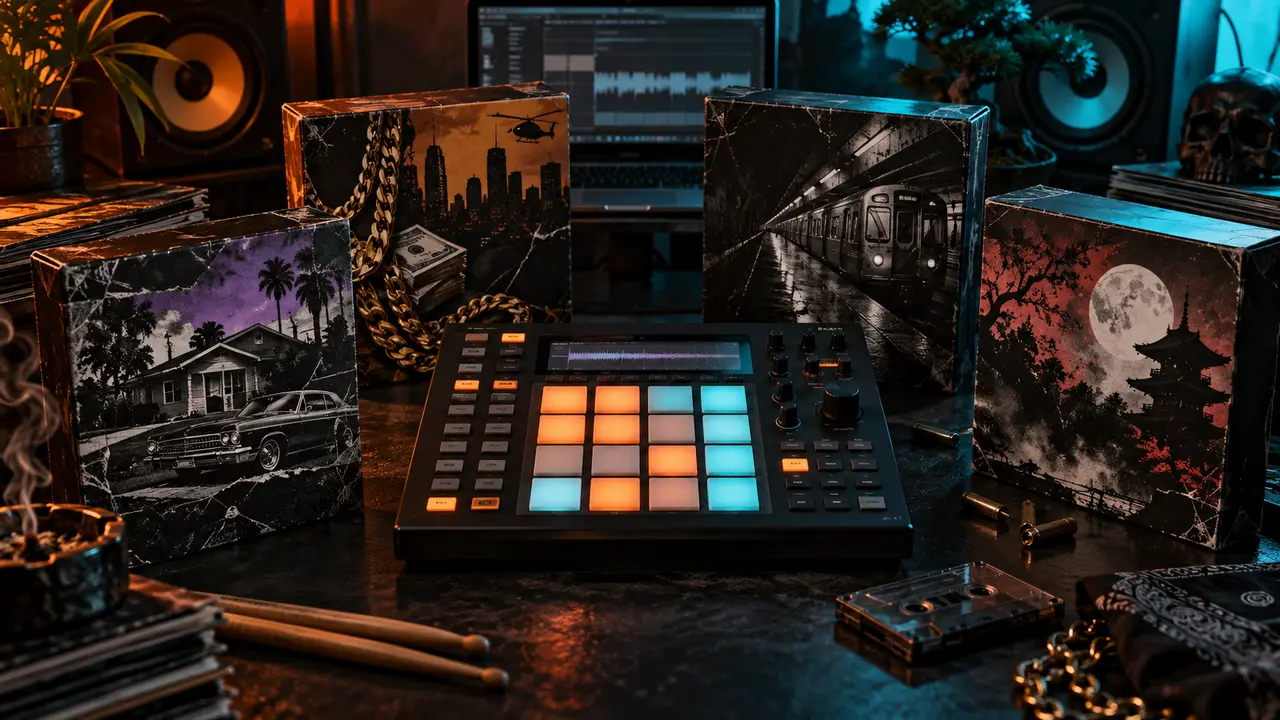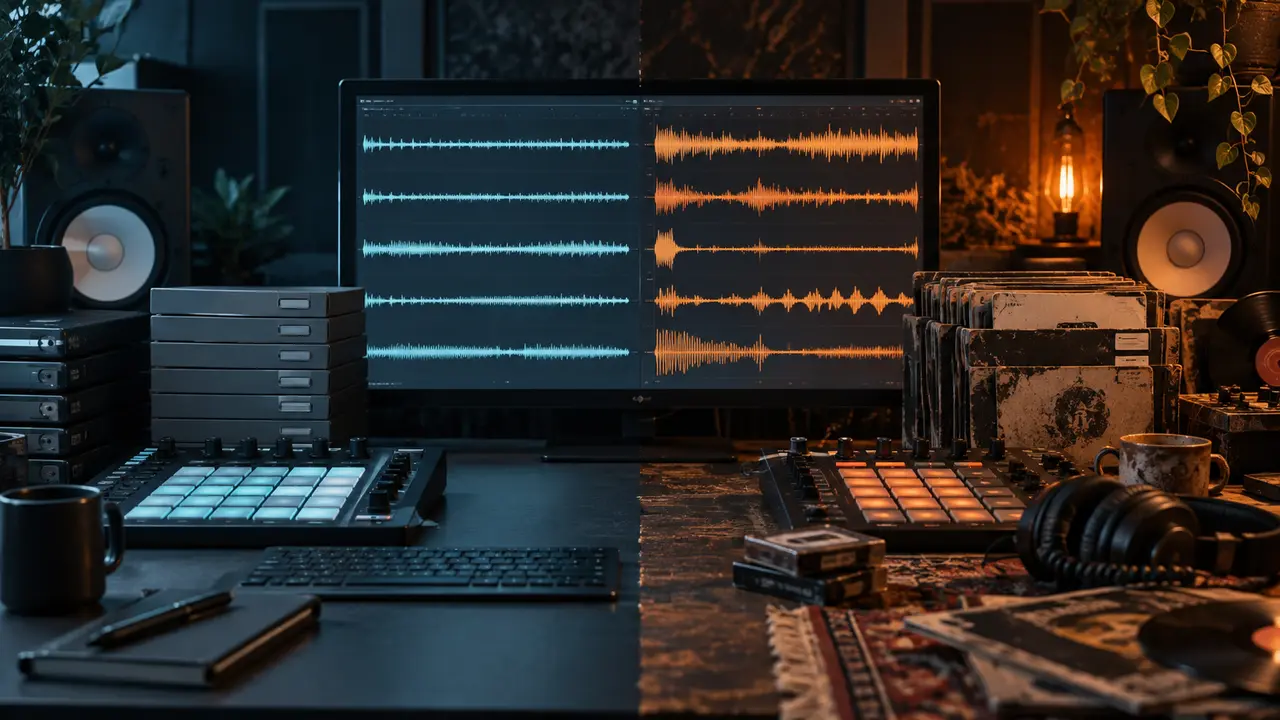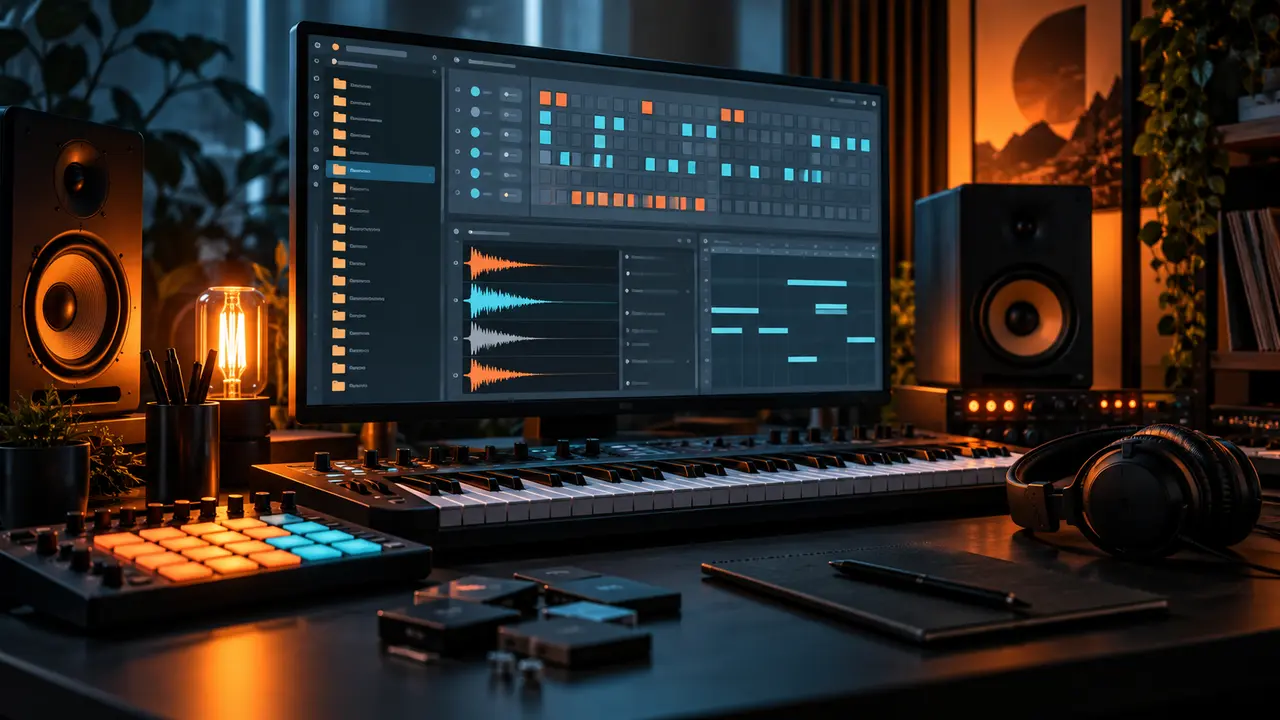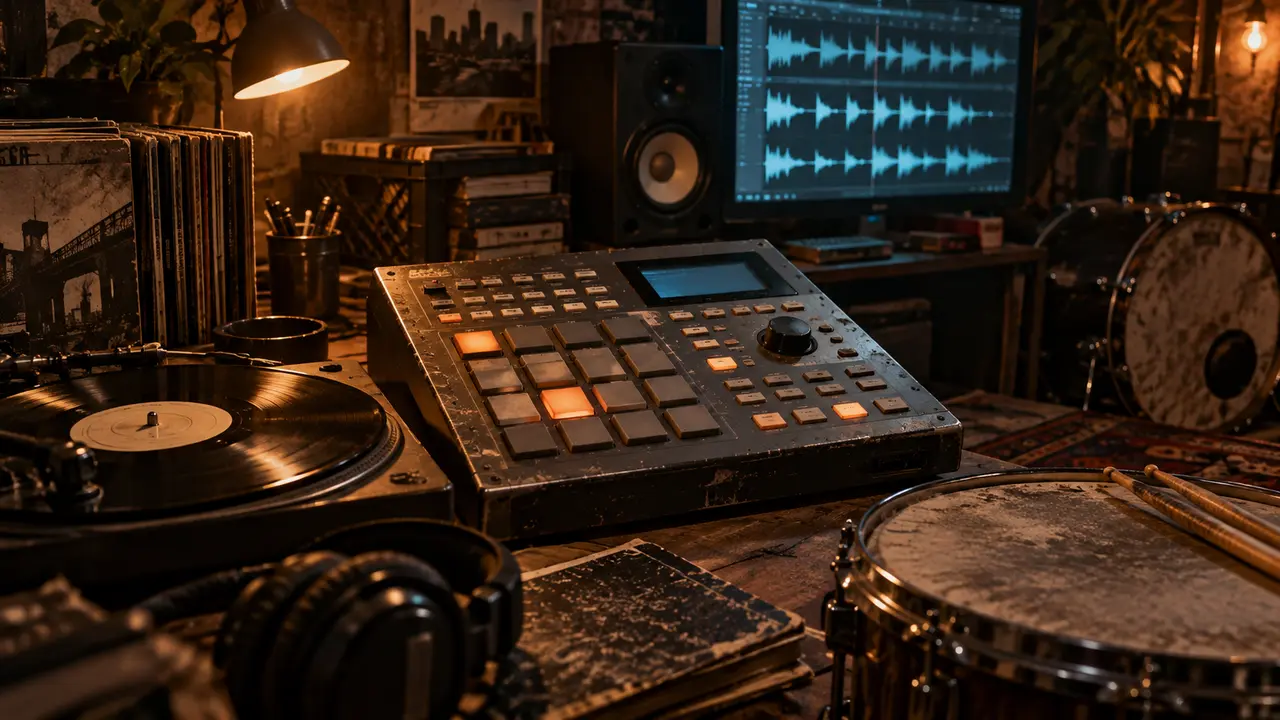
Boom bap drums need character, but character is more than noise and saturation. The groove still depends on a kick with readable weight, a snare with a confident center and hats or breaks that create motion around the grid.
The best boom bap drum kits in 2026 give you texture you can control instead of forcing every beat through the same processed sound.
Kicks should carry weight at modest volume
A useful boom bap kick does not need a huge sub tail. Many classic-feeling patterns gain impact from low-mid body, a rounded attack and the space around the hit. Audition kicks quietly with the sample or bass playing; the groove should remain clear without pushing the channel into the limiter.
Keep a few roles: short punch, softer thump and a longer resonant option. Do not choose all three from the same tonal family.
Snares define the era and the room
The snare often carries more stylistic information than the kick. Dry, tight snares can support dense chops. Roomy snares create width and a live impression. Layered claps can push the sound toward a later hip-hop aesthetic.
Listen to the tail and background texture. If the room is baked in, it will affect every backbeat and cannot be fully removed. Choose it because the arrangement needs that space, not simply because the solo file sounds large.
Drum breaks are raw material
A break can provide micro-timing and natural interaction that individual one-shots do not. Slice the important transients, keep a little air before each hit and decide whether you want the original swing or a new pattern.
Try three versions: the intact break under your beat, isolated slices replacing the main drums and a filtered texture layer at low level. Match timing by ear before quantizing. The small inconsistencies are often the source of movement.
Texture should support the sample
Vinyl noise, room tone and saturation can connect elements, but continuous noise does not automatically create authenticity. Automate texture with sections, filter it around the melody and leave silence where the arrangement needs contrast.
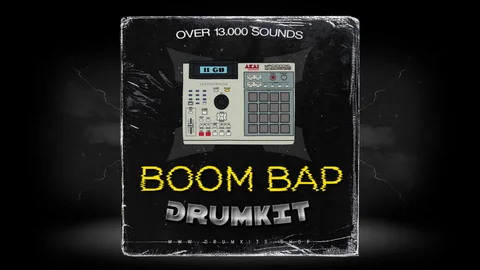
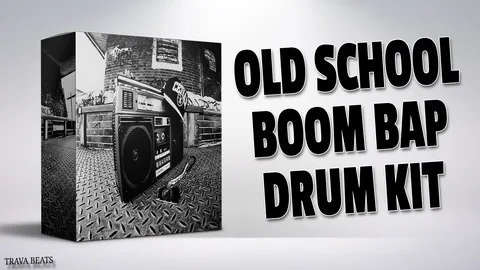
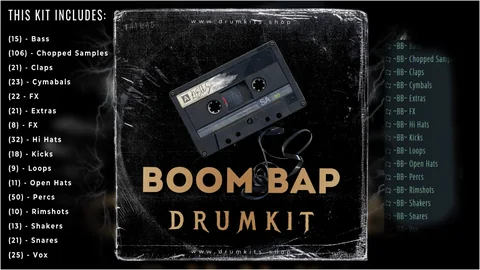
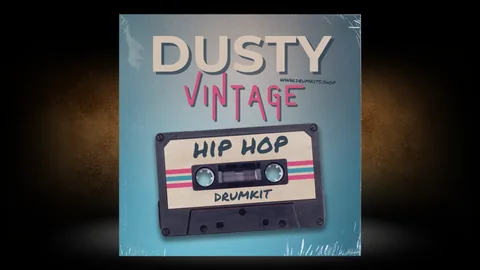
The Boom Bap Drum Kits collection includes different levels of polish and dust. Compare the Boom Bap Drum Kit with the Dusty Vintage Hip Hop Drum Kit to hear how the source direction changes the decisions you make.
Create swing with relationships, not a percentage
A global swing control can help, but groove comes from how the kick, snare, hats and sample relate. Move one supporting hat behind the backbeat, shorten a kick before a snare or vary the velocity of repeated hits. Small local choices create more personality than applying the same delay to every channel.
Keep the main snare stable enough to anchor the beat. Let secondary percussion and ghost notes provide looseness around it.
Test samples after pitching and chopping
Boom bap production often changes the source dramatically. Pitch key drums down a few semitones, shorten them and test them through your normal sampler. A strong source retains a useful transient and does not reveal distracting artifacts immediately.
Boom bap kit checklist
- Kicks cover more than one weight and envelope.
- Snares offer dry and roomy alternatives.
- Breaks remain usable when sliced.
- Texture is controllable rather than permanently overwhelming.
- Files respond musically to pitch changes.
- The pack complements your sampling style.
Relevant public kits to compare
The Boom Bap Drum Kit is the broad public starting point. For narrower options, compare the Ultimate Boom Bap Drum Kit, Boom Bap Drum Kit “Deus” and other products in the collection.
Build one finished beat from a single kit before blending several. This reveals whether the sounds form a coherent palette and which roles your own library still needs to cover.
Build a one-kit boom bap exercise
Choose one kit and make a complete beat without opening another drum folder. Limit the palette to two kicks, two snares, one closed hat, one open hat, a break and two percussion sounds. This forces you to create variation through timing, velocity and arrangement instead of replacing the source every few minutes.
Write the main groove, then create a verse version with fewer kicks and a hook version with a stronger snare or an added break layer. For transitions, reverse a cymbal, mute the last kick or use a short filtered section of the drum break. These moves keep the same sonic identity across the track.
After export, note which role was difficult to fill. If the kit lacked a dry snare or a shorter kick, search the collection for that specific gap. This process tells you whether you need another pack or simply a better use of the sounds already available.
Protect space for the sampled melody
Boom bap drums can be full-bodied, but they still share the midrange with chopped samples and vocals. Filter unnecessary rumble from non-bass elements, shorten room tails that cover the next phrase and choose a snare whose center does not mask the lead.
Test the drums with the melody playing at a low monitoring level. If the groove and sample remain distinct, the palette is working. If one element disappears, change its rhythm, register or source before reaching for broad boosts.
Arrangement also creates separation. Let a kick answer the bass instead of doubling every note, and remove hats where the sample already contains strong high-frequency rhythm.
Conclusion
Good boom bap drums balance weight, room and imperfect movement. Choose sources that survive chopping and pitching, keep texture purposeful and shape swing through relationships between hits. The result feels sampled without becoming muddy or generic.